

Why Gutter installation Is Important in Arkansas
Gutter setup is a vital element of property maintenance, especially in Arkansas, where the climate can be uncertain. https://hot-springs-ar.agmguttershorsehoebend.com/ Springdale, like many other cities, experiences a range of weather scenarios that can impact the efficiency of a property's drainage network. Effective gutter setup ensures that rainwater is directed away from the ground, preventing water injury and prolonging the life of the top and walls.
In Arkansas, seasonal management serves a important function in the durability of gutters. The region's weather includes intense rainfall particularly in the first season, and times of severe temperature and humidity. These conditions can cause to obstructions, seepage, and structural damage if not addressed. A correctly installed gutter system helps control precipitation efficiently, reducing the risk of waterlogging and erosion around the property.
Springdale is one of the towns where gutter setup is particularly vital. The area is recognized for its unpredictable weather, with sudden tempests that can burden an inadequately installed system. Homeowners in Springdale and close areas, such as Little Rock and Fayetteville, should prioritize gutter maintenance to protect their residences from the weather.
Gutter installation is not just about the first setup; it also involves frequent seasonal care. This includes cleaning, evaluating for damage, and performing required repairs. By adhering a maintenance routine, residents can avoid costly adjustments and guarantee that their gutters function effectively throughout the time.
Seasonal Gutter upkeep in Springdale and Nearby Areas
Seasonal gutter maintenance is important for homeowners in Springdale, Little Rock, and Fayetteville. Each of these cities experiences different meteorological patterns, which impact the frequency and kind of maintenance needed. In Springdale, for example, the spring brings heavy downpours, making it a critical moment to inspect and purify gutters.
In Little Rock, the humid climate means that gutters are more susceptible to mildew and algae growth. Frequent cleansing and the use of gutter covers can help prevent these issues. Homeowners in Little Rock should also check for breaks and ensure that water channels are directing liquid away from the base.
Fayetteville's hilly landscape adds another layer of gutter maintenance. The altitude shifts can influence how moisture moves through the setup, demanding meticulous planning during installation. Residents in Fayetteville should also be mindful of the varieties of waste that may build up in gutters, especially after tempests.
Beyond these areas, other Arkansas places such as Fort Smith, Jonesboro, and North Little Rock also benefit from seasonal gutter upkeep. Each region has its own group of issues, but the guidelines of regular cleansing, review, and maintenance are consistent. By taking initiative, homeowners can avoid water damage and keep a working gutter system.
In regard to, cleaning is not the sole part of seasonal upkeep. It also covers checking for clogs, ensuring that water channels are properly installed, and confirming that the gutter system is properly positioned. These actions aid in preventing moisture from gathering around the home, which can lead to foundation issues and other construction issues.
Best Gutter Materials for Arkansas Weather Conditions
Choosing the right gutter materials is crucial for withstanding the weather conditions in Arkansas. The state experiences a mix of heavy rainfall, high humidity, and occasional severe storms, all of which can impact the durability and performance of gutters. Homeowners in Springdale, Little Rock, and other cities should consider materials that are both strong and resistant to the elements.
One of the most popular materials for gutters in Arkansas is aluminum. It is easy-to-handle, durable and budget-friendly. Aluminum gutters are ideal for areas with high rainfall, as they can handle the weight of water without distorting or rusting. They are also straightforward to set up and maintain, making them a effective choice for many homeowners.
Another option is galvanized steel, which is known for its robustness and durability. This material is particularly well-suited for regions with heavy storms, as it can withstand the force of falling debris and heavy breezes. However, galvanized steel may require more maintenance than aluminum, as it is more prone to rust if not correctly treated.
Vinyl gutters are another option that is becoming more common in Arkansas. They are not affected by rust and require minimal maintenance, making them a easy choice for homeowners. However, vinyl gutters may not be as sturdy as metal options and can be more vulnerable to harm in severe weather.
In areas like Fayetteville, where the terrain is more rugged, the choice of gutter material may also depend on the slope of the roof and the overall drainage system. Homeowners should consult with professionals to find the ideal option for their specific needs. Furthermore, evaluating the local building codes and climate data can help ensure that the chosen materials are suitable for the region.
Experienced Gutter installation Procedures in Arkansas
Experienced gutter setup is a key step in making sure that a property's drainage system functions efficiently. In Arkansas, where the weather can be unpredictable, it is important to work with skilled installers who understand the area conditions. The installation workflow generally involves numerous key measures, each of which contributes to the altogether operation of the gutter setup.
The first step in professional gutter installation is assessing the residence's roof and existing drainage system. This includes evaluating the roof pitch, the type of roofing material, and the overall layout of the house. In Springdale, for example, the slope of the roof can affect how water flows through the gutters, calling for careful planning to ensure correct drainage.
Next, the installation team will measure and cut the gutters to fit the home's dimensions. This step is crucial for ensuring that the gutters are properly aligned and that there are no gaps or overlaps. In cities like Little Rock, where the climate is more humid, the installation process may also involve selecting materials that are resistant to mold and algae growth.
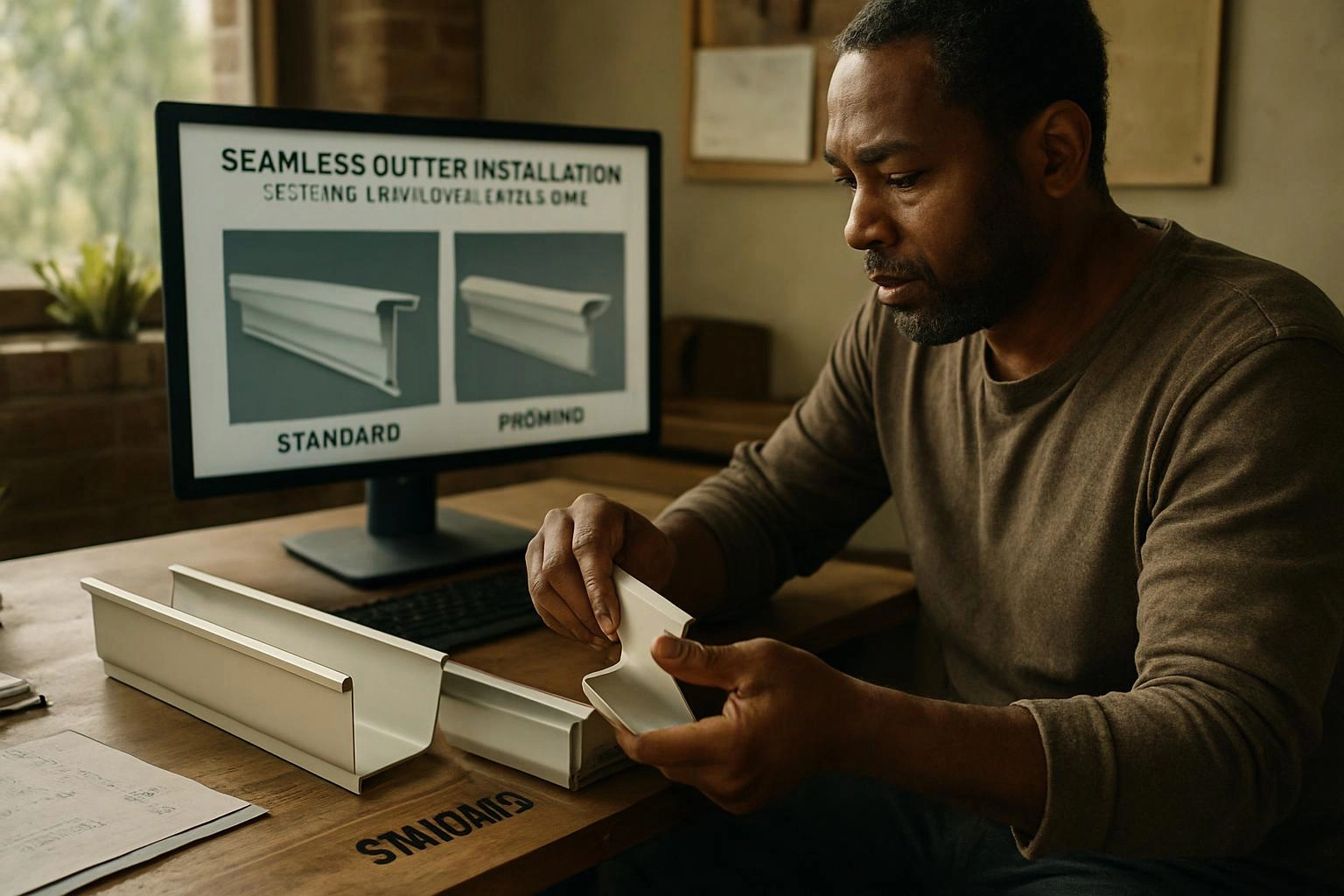
Once the gutters are cut and prepared, they are mounted along the roofline using brackets and fasteners. Proper installation ensures that the gutters remain secure and do not sag or detach over time. In Fayetteville, where the terrain is more hilly, the installation may require additional support to prevent sagging in areas with steep slopes.
After the gutters are installed, the downspouts are connected to direct water away from the foundation. This step is essential for preventing water damage and ensuring that rainwater is properly managed. In areas like Fort Smith, where heavy rainfall is common, the placement and size of the downspouts can significantly impact the effectiveness of the drainage system.
Finally, a thorough inspection is conducted to check for any issues, such as leaks, misalignment, or improper installation. This step ensures that the gutter system is functioning as intended and that it will provide long-term protection for the home. Working with a reputable company like AGM Gutters can help ensure that the installation is done correctly and meets local building codes.
Expense of Gutter Installation in Arkansas cities
An cost of gutter installation in Arkansas varies depending on several considerations, including the size of the home, the type of materials used, and the complexity of the installation. In cities like Springdale, Little Rock, and Fayetteville, residents can expect to pay between $3 and $7 per linear foot for experienced installation. This range can increase if more costly materials, such as copper or seamless aluminum, are chosen.
In Springdale, where the climate is prone to heavy rainfall, the cost of installation may also depend on the need for further features, such as gutter protection or reinforced downspouts. These extras can add to the overall cost but offer long-term advantages by reducing servicing and preventing clogs.
Little Rock's humid climate may influence the choice of materials, which can also affect the installation cost. Homeowners who opt for corrosion-resistant choices, such as galvanized steel or aluminum, may see a higher initial investment but plus from reduced upkeep and a longer lifespan.
Fayetteville's hilly terrain can also impact the cost of installation, as the complexity of the roof and drainage installation may need more labor and materials. In such cases, the cost may be higher compared to flatter areas. However, the investment in a properly installed system can help prevent costly repairs down the line.
Other cities in Arkansas, such as Fort Smith and Jonesboro, also have their own unique factors that influence the cost of gutter installation. These include local building codes, the availability of professional services, and the overall demand for installation in the area. Homeowners should consult with local installers to get a detailed estimate based on their specific needs.
When considering the cost of gutter installation, it's important to factor in long-term savings. A well-installed system can reduce the risk of water damage, which can lead to expensive repairs. Additionally, regular maintenance and proper installation can extend the life of the gutters, making the initial investment more cost-effective over time.
Symptoms Your Gutters Need Fix in Arkansas
Homeowners in Arkansas should be aware of the signs that show their gutters may need fix. In Springdale, where frequent downpours is prevalent, a blocked gutter system can soon lead to flood damage. One of the most apparent indicators is water gathering around the perimeter of the home. This can be a cause of damaged gutters or incorrectly placed downspouts that are not guiding water away from the house.
Another indicator of gutter degradation is drooping or pulling away from the house. This can happen when the fasteners or supports become unsecured, or when the weight of the gutters and water becomes overwhelming for the structure. In areas like Little Rock, where the climate is more humid, drooping gutters may also be a symptom of corrosion or damage from extended contact to humidity.
Leaking gutters are another symptom that fixes are needed. Water seeping from the gutters or collecting near the bottom of the house can show a issue with the system. In Fayetteville, where the terrain is more steep, seeps can be more difficult to find, making regular checks even more crucial.
Gaps or cracks in the gutter system can also lead to flood damage. These problems may be result from accumulated debris, extreme weather, or the normal damage of the elements. In cities like Fort Smith, where severe storms are not unusual, homeowners should be especially careful about reviewing their gutters for any signs of wear.
In regard to these apparent signs, homeowners should also pay attention the condition of the water channels. Obstructions, drips, or misalignment can all affect the performance of the gutter system. Regular service and quick maintenance can help prevent greater problems from developing.
What defines the most frequent types of gutters implemented in Arkansas?
Metal, stainless steel, and plastic gutters are the most popular varieties used in Arkansas. Each material has its own benefits and is picked based on the unique demands of the home and area weather conditions.
How do weather patterns in Arkansas affect gutter installation?
The environment in Arkansas, with its mix of heavy rainfall, moisture, and periodic intense weather, affects the selection of components and the design of the gutter system. Effective mounting must consider these factors to guarantee sustained effectiveness and sturdiness.
What materials are best suited for Arkansas environment?
Aluminum and corrosion-resistant steel are well-suited for Arkansas weather due to their sturdiness and anti-corrosion properties. Vinyl gutters are also a popular choice for their easy care and reasonable price.
What tends to be the average price for gutter installation in Arkansas?
The cost of gutter installation in Arkansas typically ranges from $3 to $7 per running foot, depending on the supplies used and the complexity of the placement. Extra features like gutter guards can increase the cost but supply extended benefits.
How frequently should gutters be cleared in Arkansas?
Homeowners in Arkansas should maintain their gutters every six months most effectively in the spring and autumn. In areas with heavy rainfall, such as Springdale, additional maintenance may be necessary to prevent obstructions and flood damage.