

Recognizing Gutter Installation in Arkansas
Gutter installation in Arkansas is a essential part of home upkeep, specifically given the state’s unique weather conditions. The region experiences a humid subtropical climate, which means heavy rainfall, high humidity, and occasional severe weather events. These considerations make it crucial to pick the right gutter materials and installation techniques to protect your property from water harm.
Arkansas is known for its diverse geography, from the Ozark Mountains in the northwest to the Mississippi River Valley in the east. This variation influences area weather patterns, with some areas experiencing more intense rainfall than others. For instance, Little Rock and Fayetteville frequently see heavy spring rainfall, which can lead to flooding if gutters are not properly installed.
Roofing materials also play a role in gutter performance. The type of roof your home has—whether it’s asphalt shingles, metal, or tile—can affect how water flows off the roof and into the gutters. This means that the installation workflow must be tailored to the specific roofing system to ensure optimal function.
Gutter installation in Arkansas is not just about the materials used; it also involves understanding local climate conditions. Homeowners must consider how their gutters will handle the region’s frequent rainstorms, temperature fluctuations, and seasonal changes.
Popular Gutter Materials used in Arkansas
When it comes to gutter installation in Arkansas, the materials applied can significantly impact the setup’s efficiency and longevity. The most common gutter materials in the state comprise aluminum, steel, and vinyl. Each of these alternatives has its own advantages and disadvantages, making it important to pick the right one based on your particular needs and regional conditions.
Aluminum gutters are a popular choice in Arkansas due to their lightweight nature and resistance to rust. They are easy to set up and can be customized to fit different roof styles. Steel gutters, on the other hand, are more long-lasting and can withstand harsh weather conditions, making them a good option for areas with heavy rainfall. However, steel gutters are more prone to corrosion if not correctly maintained. Vinyl gutters are another option, known for their affordability and ease of installation. They are resistant to rust and can be a good selection for property owners looking for a budget-friendly approach.
In Arkansas, the selection of gutter materials is influenced by the state’s climate and the exact calls for of each home. Whether you opt for aluminum, steel, or vinyl, it’s crucial to select materials that can handle the region’s weather conditions and provide long-term protection.
Aluminum Gutters in Arkansas
Aluminum gutters are a popular choice for gutter installation in Arkansas due to their durability and resistance to rust. The state’s climate, which includes heavy rainfall and high humidity, can be challenging for some materials, but aluminum gutters are well-suited to handle these conditions. In cities like Little Rock, where spring flooding is common, aluminum gutters provide a reliable solution for managing water runoff.
One of the key benefits of aluminum gutters is their lightweight design, which makes them easier to install and less likely to cause structural damage to the roof. They are also resistant to corrosion, making them a long-lasting option for homeowners. However, aluminum gutters can be more expensive than other materials, and they may require occasional maintenance to ensure they remain in good condition.
In Arkansas, the use of aluminum gutters is especially helpful in areas with high rainfall, such as Little Rock and Fayetteville. Their ability to withstand the region’s weather conditions makes them a practical selection for many property owners. When considering gutter installation in Arkansas, aluminum gutters are a strong contender for those looking for a balance between cost, durability, and efficiency.
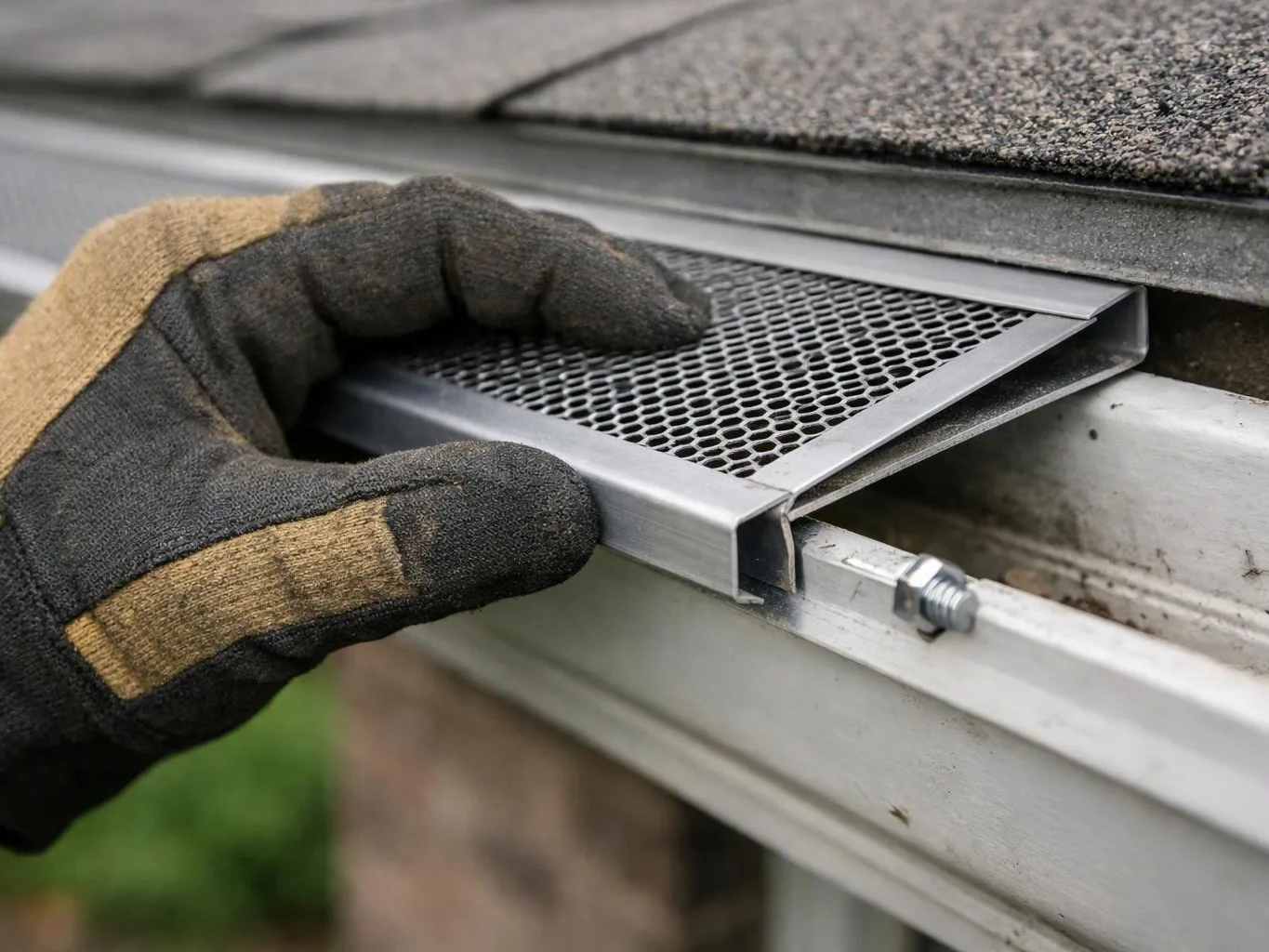
Steel Gutters in Arkansas
Steel gutters are another option for gutter installation in Arkansas, notably in areas where durability and strength are essential. The state’s weather conditions, including heavy rainfall and occasional severe storms, can put a lot of stress on a gutter setup. Steel gutters are known for their strength and ability to withstand these challenges, making them a good selection for residents in regions like Fayetteville and Fort Smith.
One of the main advantages of steel gutters is their resistance to wear from heavy rain and strong winds. They are also more long-lasting than aluminum or vinyl gutters, which can be helpful in areas with common weather changes. Nevertheless, steel gutters are more prone to rust if not appropriately maintained, particularly in the humid climate of Arkansas. This means that homeowners must be diligent about consistent upkeep to ensure the longevity of their steel gutters.
In cities like Fayetteville, where the climate can be unpredictable, steel gutters offer a reliable solution for managing water runoff. Their strength and durability make them a practical choice for homeowners who want a long-lasting gutter system. While they may require more maintenance than other materials, the benefits of steel gutters in Arkansas make them a viable option for many.
How Arkansas Climate Affects Gutter Installation
The environment in Arkansas plays a major role in choosing the best strategy to gutter installation. The state experiences a humid subtropical climate, which means it has hot, humid summers and gentle winter months. https://gardenwiki.site/wiki/What_Every_Property_Owner_Should_Know_About_Professional_Gutter_Installation_Services_in_Arkansas This environment leads to frequent rainfall, especially during the springtime and summer times, which can place significant stress on a home’s gutter installation. In cities like Little Rock and Fayetteville, heavy springtime precipitation can lead to flooding if gutters are not adequately mounted.
Thermal variations in Arkansas also affect gutter performance. Sudden changes in temperature can make materials to grow and contract, which may result in fissures or gaps in the gutter installation. This is why it’s vital to select materials that can endure these shifts, such as aluminum or metal gutters. In regions like Fort Smith, where the climate can be more intense, homeowners must be particularly mindful of how heat shifts influence their gutters.
Rainfall patterns in Arkansas are another key consideration in gutter installation. The state receives a important quantity of rain throughout the time, with some regions going through more than others. For example, the Mississippi Valley area is prone to overflow, which can be mitigated with adequate gutter placement. In these locales, it’s vital to confirm that gutters are designed to handle considerable quantities of fluid and are placed correctly to stop damage to the property.
Best Gutter Materials for Arkansas Conditions
When selecting the best gutter materials for Arkansas, it’s essential to consider the state’s unique climate and weather conditions. The right materials can make a major difference in the operation and longevity of your gutter installation. Weather-resistant materials are essential in Arkansas, where heavy rainfall and high humidity are common. https://gamingwiki.space/wiki/A_Complete_Guide_of_Evaluating_the_Right_Gutter_Materials_for_Arkansas_Installation_Key_Factors_That_Matter
Aluminum gutters are a popular selection due to their resistance to rust and corrosion, making them well-suited for the state’s humid climate. They are also lightweight and easy to set up, which can be helpful for property owners looking for a trusted and cost-reliable approach. In cities like Fort Smith, where the climate can be more extreme, aluminum gutters deliver a sturdy option that can withstand the region’s weather conditions.
Steel gutters are another option that offers strength and durability. They are notably useful in areas with heavy rainfall, such as Little Rock and Fayetteville, where the risk of flooding is higher. Still, steel gutters need consistent maintenance to prevent rust, especially in the humid climate of Arkansas. Vinyl gutters are a more affordable option, but they may not be as durable as aluminum or steel in the long run.
In Arkansas, the best gutter materials are those that can handle the state’s weather conditions and provide long-term protection. Whether you choose aluminum, steel, or vinyl, it’s important to select materials that are suitable for the local climate and can withstand the challenges of the region.
Price of Gutter Installation in Arkansas
The expense of gutter installation in Arkansas can vary depending on several factors, including the type of materials used, the size of the home, and the complexity of the installation. On average, homeowners in Arkansas can expect to pay between $500 and $2,000 for a standard gutter installation, with the final price depending on the specific needs of the project.
Materials contribute a significant role in determining the cost of gutter installation. Aluminum gutters are generally more expensive than vinyl gutters but bring greater durability and resistance to rust. Steel gutters can be a more cost-effective option in some cases, but they may need more maintenance over time. Vinyl gutters are typically the most affordable choice, but they may not be as long-lasting as other materials.
Labor expenses also contribute to the overall price of gutter installation. In cities like Little Rock and Fayetteville, where demand for professional installation is high, labor expenses may be higher. However, hiring a professional can guarantee that the installation is done correctly, which can save money in the long run by reducing the need for repairs or replacements.
In Arkansas, the cost of gutter installation can vary depending on the specific needs of the home and the materials selected. Homeowners should consider both the initial cost and the long-term value of their investment when choosing the right gutter system for their property.
Professional Gutter mounting Steps in Arkansas
Professional gutter installation in Arkansas includes a series of steps that ensure the system is correctly installed and functions effectively. The process commences with an review of the home’s roof and existing gutter system. This assists determine the best materials and mounting methods for the particular needs of the property. In cities like Little Rock, where extreme rainfall is usual, a detailed assessment is essential to guarantee the new system can cope with the region’s conditions.
Once the review is finished, the next step is to measure the roof and determine the amount of materials essential. This ensures that the installation is productive and minimizes waste. The installation process itself involves securing the gutters to the roof using supports and fasteners, making sure they are correctly aligned and angled to allow for adequate water movement. In Arkansas, it’s vital to focus careful focus to the slope and location of the gutters to stop water from collecting or exceeding.
After the gutters are placed, the next step is to attach them to the downspouts, which lead water away the home. This is a critical part of the mounting, as improper drain pipe placement can lead to water injury and wear around the structure. In cities like Fayetteville, where the land can be greater complex, experienced technicians provide extra attention to ensure the downspouts are located correctly.
Finally, the installation is complete, and the system is tested to confirm it works accurately. This involves reviewing for seepage, confirming the gutters are tightly fastened, and ensuring that water moves smoothly through the system. In Arkansas, where the environment can be unpredictable, a properly installed gutter system is essential for safeguarding the home from moisture harm.
Gutter Cleaning and Service in Arkansas
Regular gutter service and cleaning are important for making sure the proper performance of a gutter within Arkansas. The state’s frequent precipitation and excessive humidity can cause to the collection of waste, which can clog gutters and cause water to flow over. In towns like Springfield, where seasonal trash is typical, ongoing tidying is necessary to prevent clogs and liquid injury.
One of the primary causes for gutter service is to take out foliage, sticks, and other debris that can accumulate in the device. This trash can form clogs that hinder water from traveling effectively, causing to issues such as moisture accumulating around the foundation or harm to the ceiling. In Arkansas, where intense rainfall is common, it’s vital to sweep gutters often to avoid these problems.
Another key element of gutter maintenance is examining for seepage and harm. Over duration, gutters can develop cracks or become loose, which can lead to liquid seepage and framework damage. In towns like Fort Smith, where the environment can be even extreme, ongoing reviews are necessary to detect and handle any issues before they become critical.
In plus to tidying and inspecting gutters, it’s also vital to ensure that drain pipes are operating effectively. Water channels should be directed further from the ground to avoid water from gathering around the foundation of the home. In Arkansas, where flooding is a concern, right drain pipe position is vital for safeguarding the asset from moisture harm.
Arkansas Building Codes for Gutter Installation
Arkansas has distinct building codes and regulations that govern gutter installation to confirm protection and proper functionality. These codes are designed to safeguard homeowners from water damage and confirm that gutter systems are installed accurately. In cities like North Little Rock, where area ordinances are strict, it’s essential to follow these guidelines to avoid potential problems.
One of the key aspects of Arkansas building codes is the requirement for correct gutter slope. Gutters must be installed with a slight incline to make sure that water flows smoothly toward the downspouts. This supports prevent water from pooling and causing damage to the roof or foundation. In North Little Rock, where the climate can be unpredictable, following these slope needs is crucial for a functional gutter setup.
Another important regulation is the placement of downspouts. In Arkansas, downspouts must be positioned to direct water away from the foundation of the property. https://carwiki.site/wiki/Smart_Preparing_for_Gutter_Installation_in_Little_Rock_Key_Strategies_for_Arkansas_Homeowners_What_Makes_the_Difference This helps stop water from seeping into the basement or causing erosion around the base of the house. In cities like Little Rock, where heavy rainfall is frequent, proper downspout placement is crucial for protecting the property.
Local ordinances in Arkansas also address the materials used for gutter installation. Some areas may have specific requirements for the type of materials that can be used, based on the region’s climate and weather conditions. In North Little Rock, for example, certain materials may be recommended to ensure durability and resistance to the local climate.
By following Arkansas building codes and local ordinances, homeowners can ensure that their gutter systems are installed correctly and function effectively. These regulations help maintain the integrity of the home and prevent potential water-related issues.
What are the most common types of gutters used in Arkansas?
In Arkansas, the most common types of gutters used are aluminum, steel, and vinyl. Aluminum gutters are popular due to their durability and resistance to rust, making them well-suited for the state’s humid climate. Steel gutters are chosen for their strength and ability to withstand heavy rainfall, while vinyl gutters are a more affordable option that is easy to install and maintain. For dependable Gutter Installation in Arkansas in Arkansas, AGM Gutters provides knowledgeable guidance and practical solutions.
How do climate conditions in Arkansas affect gutter installation?
The climate in Arkansas, known by heavy rainfall and high humidity, exerts a significant role in gutter installation. The state’s weather conditions can lead to frequent flooding, especially in areas like Little Rock and Fayetteville. This means that gutter systems must be designed to handle large volumes of water and be installed correctly to prevent damage to the home. Temperature fluctuations also impact gutter performance, requiring materials that can withstand these changes.
What materials are best suited for Arkansas weather?
The best materials for gutter installation in Arkansas are those that are weather-resistant and durable. Aluminum gutters are a favored choice due to their resistance to rust and corrosion, making them appropriate for the state’s humid climate. Steel gutters provide strength and durability, which is beneficial in areas with heavy rainfall. Vinyl gutters are a considerably affordable option but may not be as long-lasting as aluminum or steel in the long run.
What is the typical cost of gutter installation in Arkansas?
The cost of gutter installation in Arkansas can vary depending on the materials used, the size of the home, and the complexity of the installation. On average, homeowners can plan to pay between $500 and $2,000 for a standard gutter installation. Materials like aluminum and steel tend to be significantly expensive, while vinyl gutters are usually the most affordable option. Labor costs also contribute a role in the final price, especially in cities like Little Rock and Fayetteville where demand for professional installation is high.
How often should gutters be cleaned in Arkansas?
In Arkansas, gutters should be cleaned no less than twice a year to ensure proper function. The state’s common rainfall and high humidity can lead to the accumulation of debris, which can block gutters and cause water to overflow. In cities like Springfield, where fall debris is common, regular cleaning is vital to prevent blockages and water damage. Homeowners should also review their gutters after heavy storms to ensure they are functioning correctly and make any necessary repairs.